
Quick answer: if you are leaving the Netherlands to live abroad for more than eight months within a year, you normally need to deregister from the BRP at your municipality. After deregistration, your details move to the RNI. You should also review your Dutch health insurance, taxes, residence document, energy/internet contracts, bank details and forwarding address before you go.
Last verified: 1 October 2026. Immigration, tax and social-insurance consequences depend on your personal situation, nationality, permit and destination country.
1. Check whether you must deregister from the BRP
Government.nl says you should deregister as a Dutch resident if you will live abroad for more than eight months within one year, even if those eight months are not continuous and even if you keep a home in the Netherlands.
You deregister with the municipality where you live. Government guidance says this can be done from five days before departure. Ask for proof of deregistration if you may need it for registration, tax, banking or administration in your destination country.
2. Your BRP record moves to the RNI
After deregistration, your personal data moves to the non-residents section of the BRP, known as the Registratie Niet-ingezetenen (RNI). Keep your overseas address up to date because Dutch government bodies can continue using these records to contact you.
3. If you have a residence permit, check IND departure rules
If you are a foreign national with a Dutch residence permit and you report your move abroad to the municipality on time, the municipality normally informs the IND. Government guidance also says the residence document remains Dutch government property and must be returned when you move outside the Netherlands.
Do not assume deregistration alone answers questions about your right to return, permit validity or long absences. Check the IND rules for your exact permit before leaving.
4. Review your Dutch health insurance
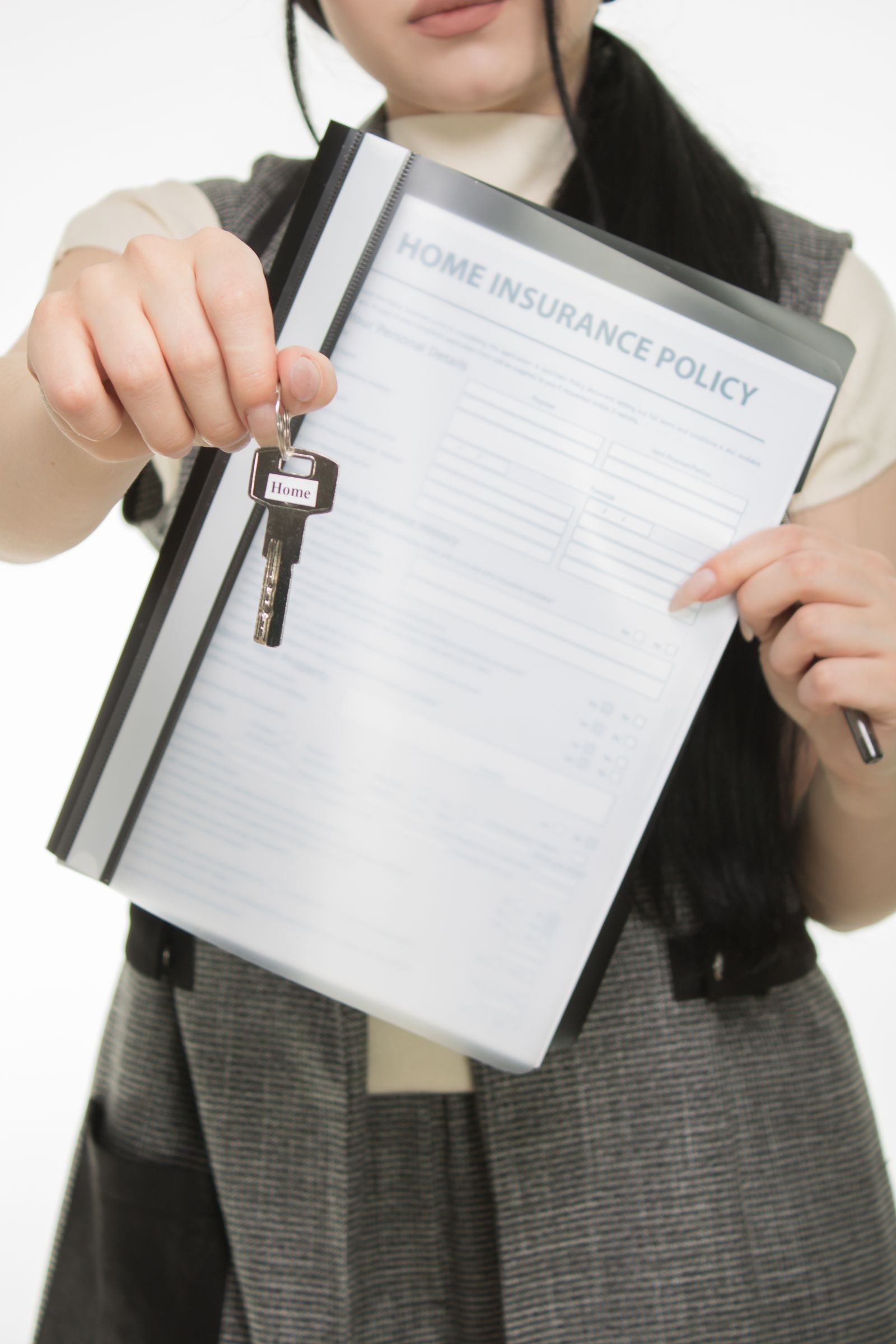
Dutch basic health insurance is linked to whether you are subject to Dutch social-insurance rules. Moving abroad can change that status. Contact your insurer before departure and explain where you are moving, when you stop living or working in the Netherlands and whether you will continue Dutch employment.
Do not simply cancel a policy early because you have booked a flight. The correct end date depends on when your Dutch insurance obligation actually ends.
5. Prepare for the tax year of emigration
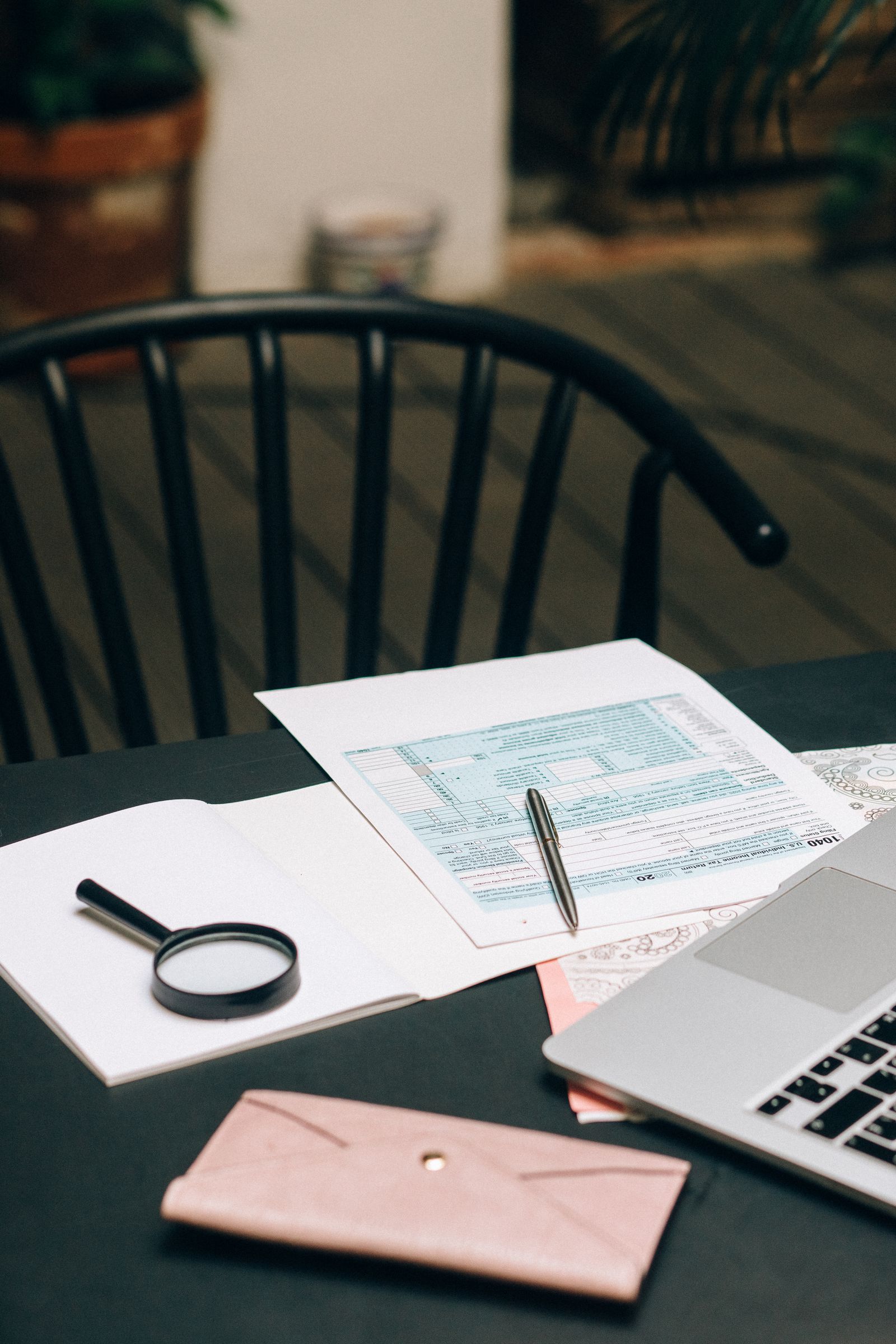
If you lived in the Netherlands for only part of a tax year because you emigrated, the Belastingdienst uses the migration tax return, often called the M return. The Tax Administration says this can be filed online; a paper M form is also available.
Keep access to DigiD or another accepted login method after leaving. Also retain payslips, annual statements, mortgage or investment information and the exact date of emigration.
6. Update your address with organisations that still need it
BRP deregistration informs several government bodies, including the Belastingdienst, but it does not automatically update every private company. Give your foreign address to banks, pension providers, insurers and any organisation that still needs to send statements or legal correspondence.
7. End or move household contracts
- Energy: ACM ConsuWijzer says emigrants should end their current energy contract and provide new contact details for the final bill.
- Internet/mobile: check notice periods, equipment-return instructions and whether moving abroad qualifies for any special cancellation route.
- Water: notify the regional supplier if the account is in your name.
- Rent: follow the lease notice period and arrange a final inspection and key handover.
- Municipal services: check parking permits, waste arrangements and any local subscriptions.
8. Photograph meters and the property
On the final day, photograph electricity, gas and water readings where applicable, plus the condition of the rental. Keep the signed handover report, final utility bills and proof that keys were returned.
9. Banking and pension: do not close everything too early
You may still need a Dutch account for final salary, tax refunds, deposit refunds or direct debits. Ask your bank whether it supports customers resident in your destination country and whether fees or product eligibility will change. Also make sure pension administrators have your foreign address.
Final 7-day checklist
- Deregister from the municipality if required.
- Request proof of deregistration.
- Check IND/residence-document steps.
- Confirm health-insurance end or continuation.
- Save DigiD access and tax records.
- Cancel or transfer energy, water, internet and telecom contracts.
- Complete rental inspection and meter photos.
- Update banks, pension funds and insurers with your foreign address.
- Keep a Dutch account open until final payments are settled, if your bank allows it.
Related guides: first Dutch tax return / M-form guide, Dutch health insurance for newcomers and Dutch renter utilities.
Official sources
- Government.nl: when to deregister from the BRP
- Government.nl: moving abroad with a residence permit
- Belastingdienst: tax return in the year of emigration
- ACM ConsuWijzer: energy contract when moving/emigrating