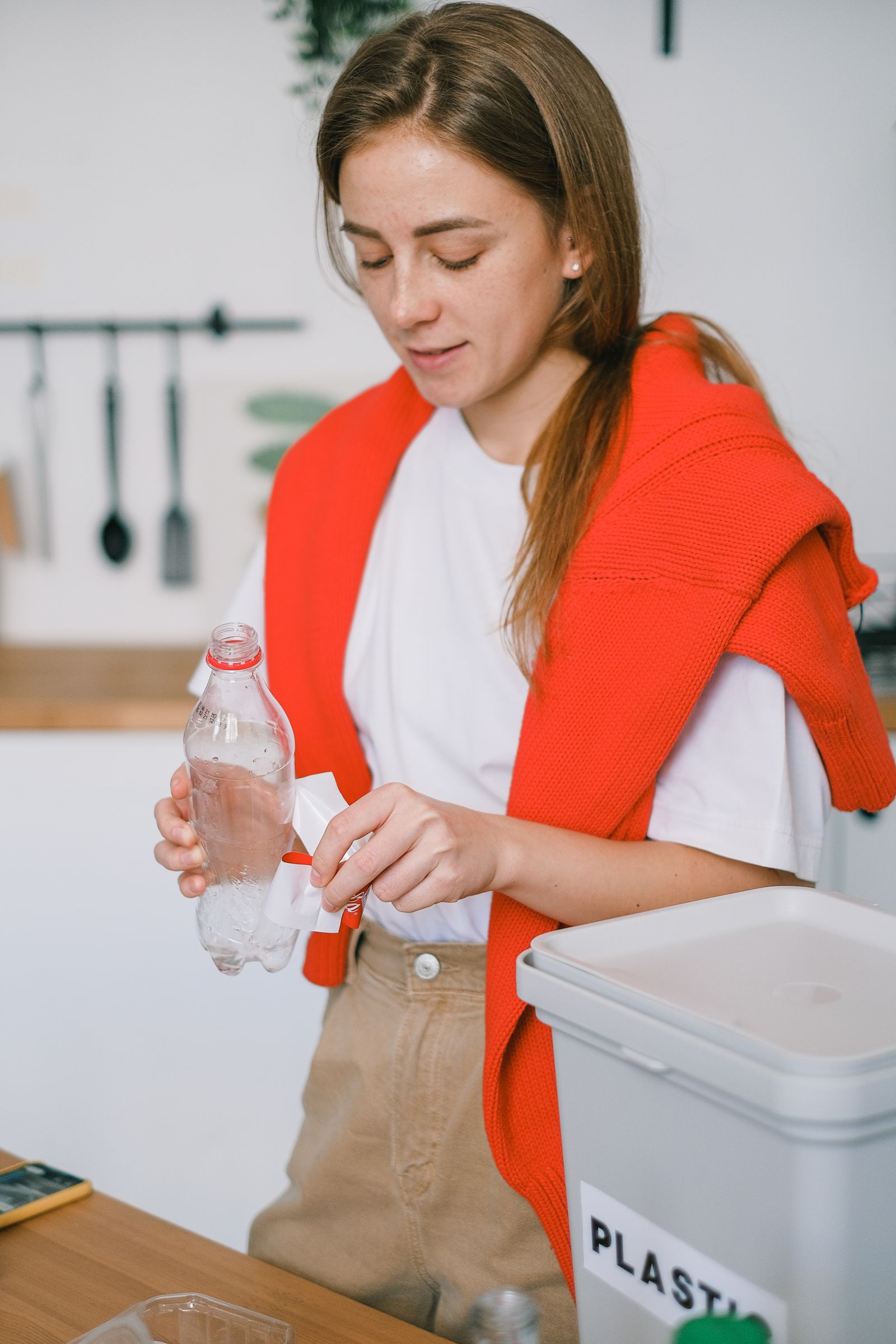

Quick answer: in the Netherlands, the current deposit is €0.15 on small plastic water and soft-drink bottles, €0.25 on large plastic bottles, and €0.15 on eligible drink cans. Look for the statiegeld logo and return the packaging through participating return points such as supermarkets and other collection locations.
Last verified: 1 October 2026. The government has proposed broader changes for 2028, but those proposals are not the current 2026 rules.
How much statiegeld do you pay in 2026?
| Packaging | Current deposit |
|---|---|
| Small plastic water/soft-drink bottle under 1 litre | €0.15 |
| Large plastic water/soft-drink bottle | €0.25 |
| Eligible drink can | €0.15 |
Statiegeld Nederland notes that some juice bottles can also carry a deposit, but that is not compulsory for every juice bottle. The safest check is the statiegeld logo and barcode on the packaging.
How do you know whether a bottle or can has a deposit?
Look for the official statiegeld logo. For cans, the government also notes that the packaging must have the special barcode/logo combination used by the deposit system.
If you are unsure, do not throw the item straight into PMD. Check the label first: returning a deposit container gets the money back and keeps that packaging in the dedicated return system.
Where can you return deposit bottles and cans?
Rijksoverheid lists return options including supermarkets and shops that sell deposit bottles, motorway service stations, event locations, sports clubs and a growing number of NS stations. Some cafés, schools and other organisations also collect bottles or cans.
Not every location pays the deposit back in the same way. Some points return cash or a voucher; others collect packaging for donation. Check the machine or sign before using it.
Why does the machine sometimes reject a bottle or can?
- The packaging is too damaged for the barcode to be read.
- The barcode or statiegeld logo is missing.
- The item is from a product that is not part of the Dutch deposit system.
- The can or bottle has been flattened or crushed too much.
- The return point does not accept that packaging type.
For cans in particular, Rijksoverheid says the barcode and deposit logo must be recognisable and the can must not be too damaged.
Should you remove the cap?
For plastic bottles, leaving the cap attached is usually the easiest approach. The machine needs to identify the bottle, and keeping the packaging intact reduces rejection risk.
Statiegeld vs PMD: what is the difference?
PMD is the municipal collection stream for plastic packaging, metal packaging and drink cartons in many municipalities. Deposit bottles and cans are different: returning them through the statiegeld system gets your deposit back. Municipal waste rules still vary, so check your municipality for non-deposit packaging.
What is changing in the future?
In September 2026, the Dutch government proposed changes intended to make the deposit system easier, including more return points and broader coverage. The government said it is aiming for the new rules to take effect from 1 January 2028. That means newcomers should not treat the proposed 2028 expansion as if it already applies in 2026.
A simple newcomer habit
- Keep deposit bottles and cans separate at home.
- Do not crush them.
- Check the statiegeld logo.
- Return them during your normal supermarket trip.
- Use the voucher or payout before leaving the store if the machine issues one.
For more cost-saving and household guides, see 9 things expats often overpay for in the Netherlands and the Netherlands hub.
Official sources
- Rijksoverheid: where to return plastic packaging and deposit bottles
- Rijksoverheid: packaging waste and deposit cans
- Statiegeld Nederland: consumer FAQs
- Rijksoverheid: proposed 2028 deposit-system changes