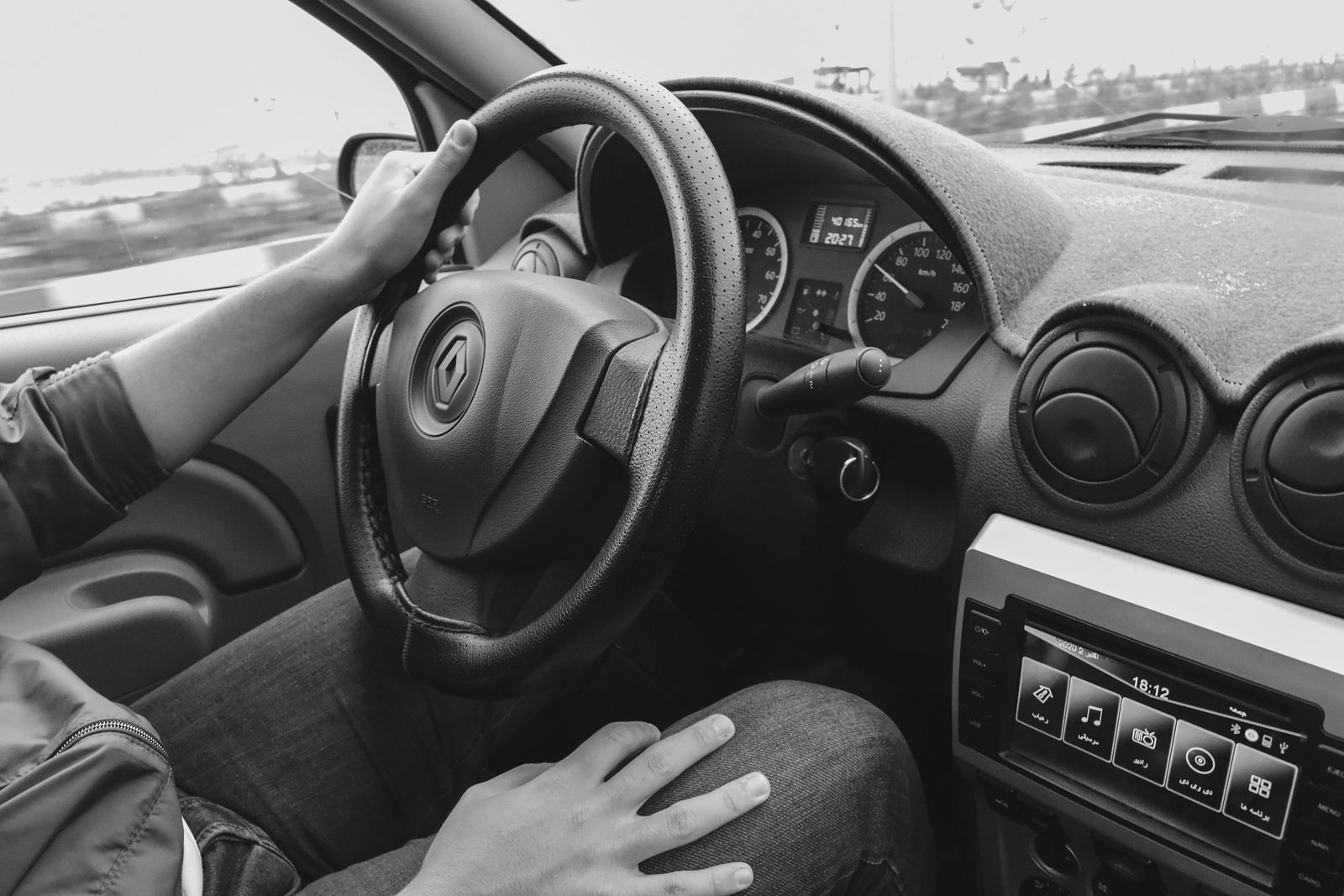

AI-generated ExpatTurtle illustration created specifically for this Alberta driver-licensing guide. Marked “AI image”.
Alberta · Driver licensing · Last verified September 30, 2026
If you move to Alberta permanently, the province generally requires you to exchange your current driver’s licence within 90 days of becoming a resident. Whether you can exchange directly or must test depends on the jurisdiction that issued your licence and how much driving experience you can prove.
Quick answer
- Permanent Alberta residents: exchange your current licence within 90 days of moving.
- Visitors: Alberta says visitors can generally drive on a valid home-jurisdiction licence for up to one year.
- Recognized exchange jurisdiction: a valid equivalent licence can usually be exchanged without a knowledge or road test.
- Non-reciprocal jurisdiction: you normally need a Class 7 knowledge test and a road test.
- Two years of experience: proof of at least two years of driving experience is important if you want a full Class 5 instead of GDL placement.
- Surrender rule: Alberta requires you to surrender out-of-Alberta licences before it issues an Alberta licence.
The 90-day rule for new Alberta residents
Alberta’s official guidance says that if you live in the province permanently, you must exchange your current driver’s licence within 90 days of becoming a resident. Travelling outside Alberta during that period does not pause the 90-day requirement.
Do not wait until the final days if your licence requires testing or extra verification. A non-reciprocal exchange can involve a knowledge test, a review of your foreign driving history and a road test.
Temporary residents and visitors can have different rules
The 90-day exchange rule is for people taking up permanent residence in Alberta. The province’s guidance treats several temporary situations differently.
- Visitors: can generally drive the same class of vehicle on a valid home-jurisdiction licence for up to one year.
- Students: qualifying students at an accredited Alberta educational institution can continue using their home licence.
- Some temporary workers: special rules apply, including for Seasonal Agricultural Worker Program participants.
- Armed-forces members: separate exemptions can apply when the conditions are met.
If you are in Alberta temporarily, check your exact status before surrendering your foreign licence.
Which foreign licences can be exchanged without normal testing?
Alberta maintains reciprocal exchange arrangements with a broad list of recognized jurisdictions. For a valid equivalent Class 5 licence, the current list includes countries such as Australia, Austria, Belgium, France, Germany, Japan, Netherlands, New Zealand, Republic of Korea, Switzerland, Taiwan, the United Kingdom and others. The United States and Ukraine also have specific exchange routes described by Alberta.
The exact exchange depends on licence class. Some jurisdictions include motorcycle Class 6 exchange while others do not. Always use Alberta’s live list rather than relying on an old forum post or another province’s rules.
What do you need for a direct exchange?
- Your valid qualifying foreign licence.
- Any other driver’s licences in your possession, including expired ones, because Alberta requires them to be surrendered.
- Proof of Alberta residence.
- Proof of legal status in Canada.
- Proof of at least two years of driving experience if you want a full Class 5 licence.
If your licence is from a recognized jurisdiction and meets the exchange requirements, Alberta says you do not need the normal knowledge or road test for the equivalent eligible class.
If your country is not reciprocal
You can still get an Alberta licence, but the process is different. Alberta says a newcomer from a non-reciprocal jurisdiction normally needs to take the Class 7 knowledge test, surrender the foreign licence and pass the required road test.
- Go to an Alberta registry office.
- Take the Class 7 knowledge test.
- Surrender the required foreign licences.
- Apply for driving-experience credit/GDL exemption if eligible.
- Have your foreign driving history reviewed.
- If approved for the appropriate route, book and pass the Class 5 road test.
Why two years of experience matters
Alberta distinguishes between a full Class 5 licence and the Graduated Driver Licensing (GDL) system. If you can prove at least two years of driving experience, that history can support eligibility for a full Class 5 when the other requirements are met.
If you have less than 24 months of credited experience, you may be issued a Class 5 GDL licence instead. Alberta also says approved driver training can reduce some probation time when the relevant conditions are met.
GDL exemption for non-reciprocal licences
Alberta’s GDL Exemption Program allows eligible newcomers from non-reciprocal jurisdictions to have genuine previous driving experience reviewed. Depending on the experience accepted, the program can reduce or remove the normal waiting periods before a road test.
After the knowledge test, the registry agent can determine whether you can apply for the exemption and send your licence, application and supporting documents for review. Alberta’s current guidance says you can return to the registry after the review period to confirm the decision and, if eligible, arrange the road test.
You must surrender your old licence
Alberta requires people exchanging a licence to surrender their current out-of-Alberta licence and any other licences in their possession. The surrendered licence is not simply handed back after the Alberta licence is issued.
Plan for this before starting the exchange, especially if you may need your original licence for records in another country. Keep copies of your driving history and other supporting documents where legally appropriate.
Alberta vs B.C.: do not copy another province’s rules
Driver licensing is provincial. Alberta and British Columbia both use a 90-day rule for many new permanent residents, but their exchange lists, testing systems and proof requirements are not identical. If you are moving to B.C. instead, use our separate B.C. driver’s licence guide.
Newcomer checklist
- Write down the date you became an Alberta resident.
- Check whether your issuing jurisdiction is on Alberta’s current recognized exchange list.
- Get official proof of your driving history before leaving your previous country if possible.
- Prepare proof of Alberta residence and legal status in Canada.
- Understand that your foreign licence will be surrendered.
- If your jurisdiction is non-reciprocal, study for the Class 7 knowledge test early.
- Ask the registry about GDL-exemption credit if you have prior experience.
- Do not wait until the 90-day window is almost over before starting a testing route.
Official sources checked
- Government of Alberta — Exchange a licence from outside Alberta
- Government of Alberta — Get a driver’s licence
Verification date: September 30, 2026. This guide covers standard newcomer passenger licensing. Commercial, motorcycle, temporary-resident and jurisdiction-specific rules can differ, so verify your exact licence class with Alberta registry services.
← Canada hub · More moving guides · B.C. licence guide · How we research